



The Nile From Luxor to Abu Simbel The Archaeological Guide
16,00 €
In the second half of the 19th century, Egypt
became the main destination for European
tourists in search of adventure, exoticism and the
mystery of its origins, following in the footsteps
of great writers such as Flaubert, Gérard de
Nerval, Pierre Loti and Agatha Christie. The
first cruises on the Nile were organized using
large sailing boats called dahabeya. A famous
French writer said, “Going up the Nile! These
two words meant the most ideal journey a man
can undertake.” It was the English entrepreneur
Thomas Cook who, around 1880, introduced
the use of the first steamboats to go up the Nile
and be able to visit the monuments of Pharaonic
Egypt more quickly. Even today, sailing on
the great river that crosses the country like a
major road remains the best way to visit the
extraordinary archaeological sites of Egypt.
Only logged in customers who have purchased this product may leave a review.
Related Products

by Alberto Siliotti
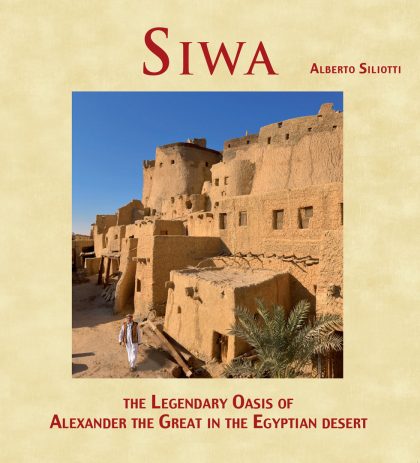
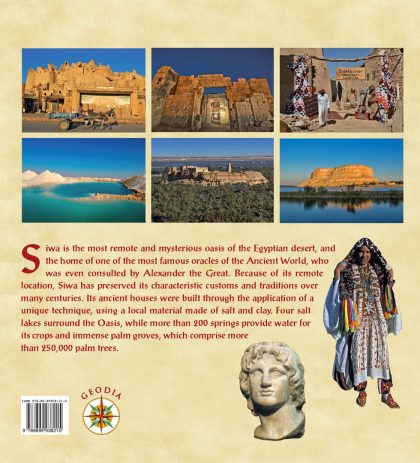
This photographic book illustrates for the first time with splendid images the oasis of Alexander the Great, its extraordinary constructions made of salt and sand, the uses and customs of its population.
Languages Available:

Book Preview
Book Size: 26 x 24 cm
240 Pages with more than 200 Photos
Hardcover

- Lake Nasser
- The History of Nubia
- The UNESCO Rescue Campaign
- The Sites: New Kalabsha, New Sebua, New Amada, Qasr Ibrim, Abu Simbel.
Available Languages:


Book Preview:

An illustrated Guide on The PYRAMIDS and TOMBS of Saqqara
Available Languages:
Book Preview
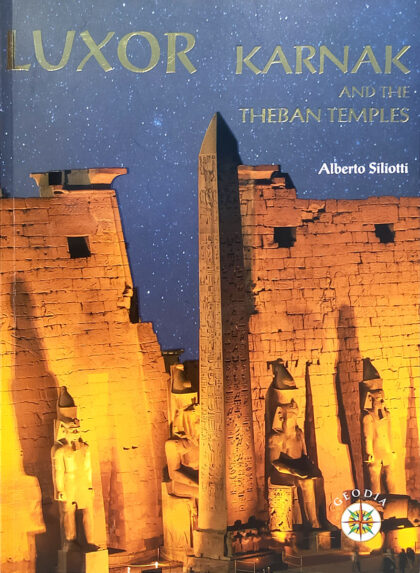
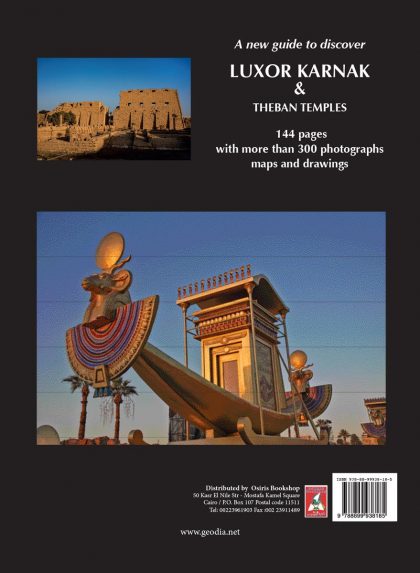
The new updated guide with the latest discoveries on Luxor Karnak and the Theban Temples is coming soon.
Book Preview
The Luxor and Karnak temples and the great memorial temples of ancient Thebes are the most visited archaeological sites of Egypt, masterpieces of universal art and architecture, listed among the sites of Unesco world patrimony.
The Luxor and Karnak temple complex are one of the largest archaeological sites in the world, mentioned by the great historian Herodotus 2500 years ago. Huge pylons, colossal columns, and imposing obelisks tell the history and myths of Egyptian civilization, of which they are one of the most magnificent finds.

- The Origins and History of Cairo
- Islamic Architecture in Cairo
- Mosques and Madrasas
- Sabil
Available Languages:
Book Preview

- West Thebes
- The Mortuary Ritual
- The Valley of the Kings
- The Valley of the Queens
Available Languages:
Book Preview

- The Fayoum
- Fauna
- Flora
- The History of the Fayoum
Available Languages:

Book Preview
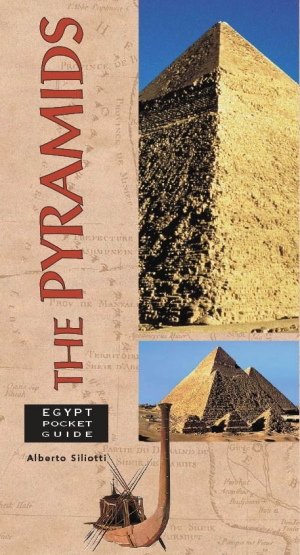
- The History
- The Building Technique
- Giza: the Pyramids of Khufu, Khafre, Menkaure, the Great Sphinx, the Royal Bark, the Private Tombs
Available Languages:
Book Preview
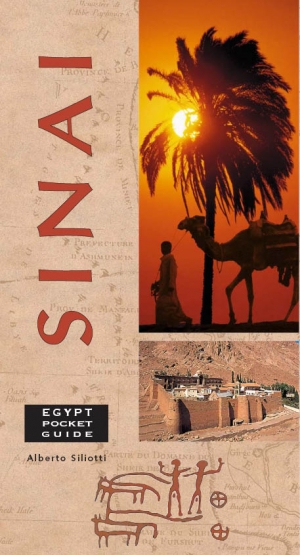
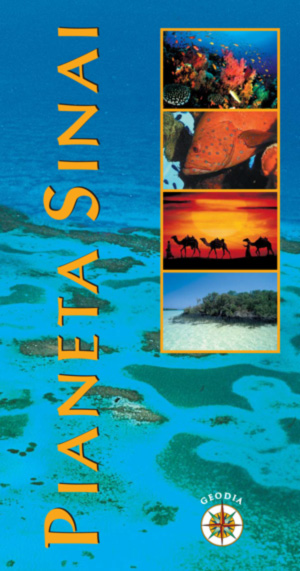
- Fauna e Flora
- La Barriera Corallina
- Le Mangrovie
- Il Deserto
- Le Oasi
- La Storia
- I Beduini
- Ras Mohammed
- Sharm el-Sheikh
- Dahab
- Nuweiba
- Taba
- Il Monastero di Santa Caterina
Available Languages:
Book Preview:

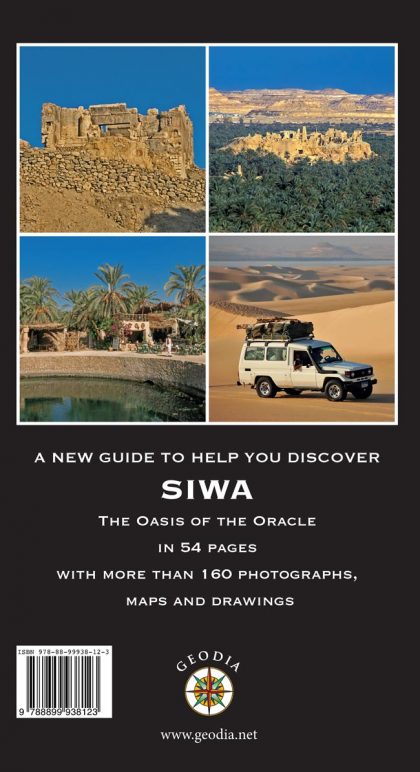
By Alberto Siliotti
A new Guide to help you discover Siwa, The Oasis of the Oracle
54 pages with more than 160 photographs, maps, and drawings.
Available Languages:
Reviews
There are no reviews yet.