




Siwa – The Oasis of the Oracle
10,00 €
By Alberto Siliotti
A new Guide to help you discover Siwa, The Oasis of the Oracle
54 pages with more than 160 photographs, maps, and drawings.
Available Languages:


Book Preview:
The Oasis of the Oracle
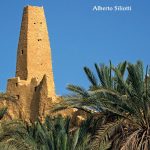
Siwa is one of the last surviving oases on Planet Earth, and one the remaining few with continued potential for sustaining life in the middle of the desert. Its beauty resides not only in its pristine environment, but also in its cultural attractions, including treasures left by pre-historic inhabitants, as well as pharaonic, Greco-Roman, Arab, and Berber civilizations. Its present people’s culture and genetic memory attest to all of this and more. Siwa is indeed the fruit of love of travelers from Africa, parts of Europe, and Asia, who together participated in transforming the oasis into a place of wonder. Until this day, the temptation for travelers to part with the materialism that has corrupted many of the basic joys of life in order to settle in Siwa continues to help the oasis thrive. With their shared commitment to live in peace and harmony with nature, these travelers from the four corners of the world –just like their ancestors from Antiquity- have decided to settle in the oasis. By doing so, they further enriched it with new layers of knowledge and cultural diversity. Over the past twenty-five years, I have had the privilege of witnessing this process, and being enriched by it, whenever I am there. A journey into the past, to the land and time when the Temple of Amun was guarded by an oracle, is the one experience I would choose to offer to my loved ones, wherever they may be. Siwa has inundated my life with joy. It has also prompted me to multiply this joy by sharing it with my friends, guests, and family, as well as the people from Siwa with whom, and for whom, I have worked.
Related Products

- The Geography and History of the Fayoum
- Visiting Medinet Madi
- The Visitor Center and the Eco-Lodge
- The Nine Lives of Medinet Madi
Available Languages:

Book Preview

In the second half of the 19th century, Egypt
became the main destination for European
tourists in search of adventure, exoticism and the
mystery of its origins, following in the footsteps
of great writers such as Flaubert, Gérard de
Nerval, Pierre Loti and Agatha Christie. The
first cruises on the Nile were organized using
large sailing boats called dahabeya. A famous
French writer said, “Going up the Nile! These
two words meant the most ideal journey a man
can undertake.” It was the English entrepreneur
Thomas Cook who, around 1880, introduced
the use of the first steamboats to go up the Nile
and be able to visit the monuments of Pharaonic
Egypt more quickly. Even today, sailing on
the great river that crosses the country like a
major road remains the best way to visit the
extraordinary archaeological sites of Egypt.
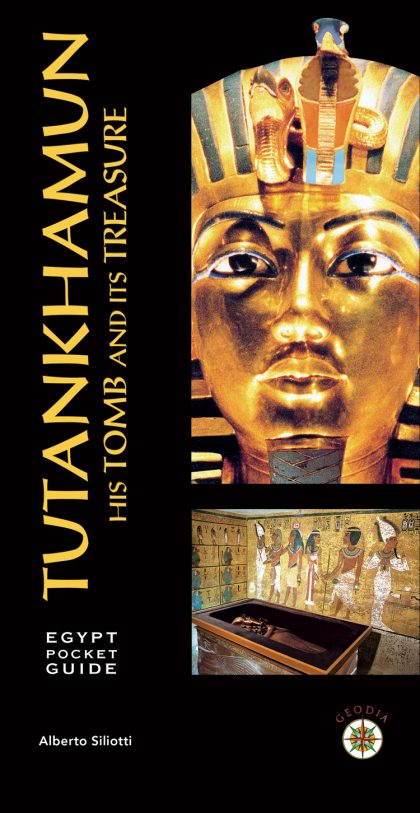
A new Guide to help you discover Tutankhamun, his tomb and its treasure in 48 pages with more than 150 photographs, maps and drawings.
Available Languages:
Book Preview
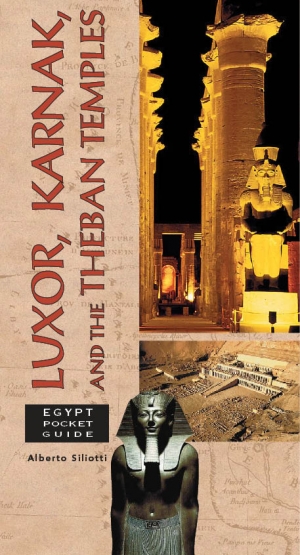
- The Temples of Luxor and Karnak
- The Open-Air Museum
- The Colossi of Memnon
- Medinet Habu
- The Ramesseum
- Deir al-Bahari
- The Temple of Sethos I
- The Luxor Museum
- The Mummification Museum
- The Temple of Dendera
Available Languages:


Book Preview

- The Fayoum
- Fauna
- Flora
- The History of the Fayoum
Available Languages:
Book Preview

- Alexandria and its monuments
- The Greco-Roman Museum
- The Bibliotheca Alexandrina
- Abu Qir
Available Languages:
Book Preview:
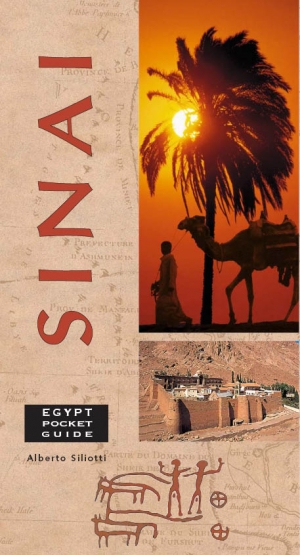

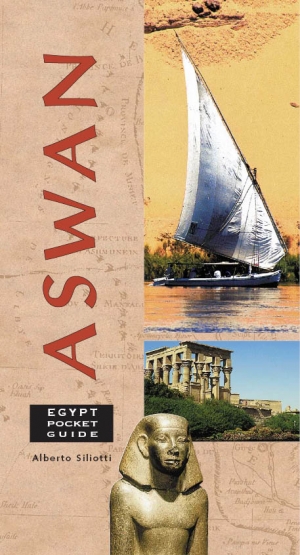

- Lake Nasser
- The History of Nubia
- The UNESCO Rescue Campaign
- The Sites: New Kalabsha, New Sebua, New Amada, Qasr Ibrim, Abu Simbel.
Available Languages:
Book Preview:


by Alberto Siliotti
- The Geology
- The Fauna
- The Flora
- The Climate
Available Languages: