


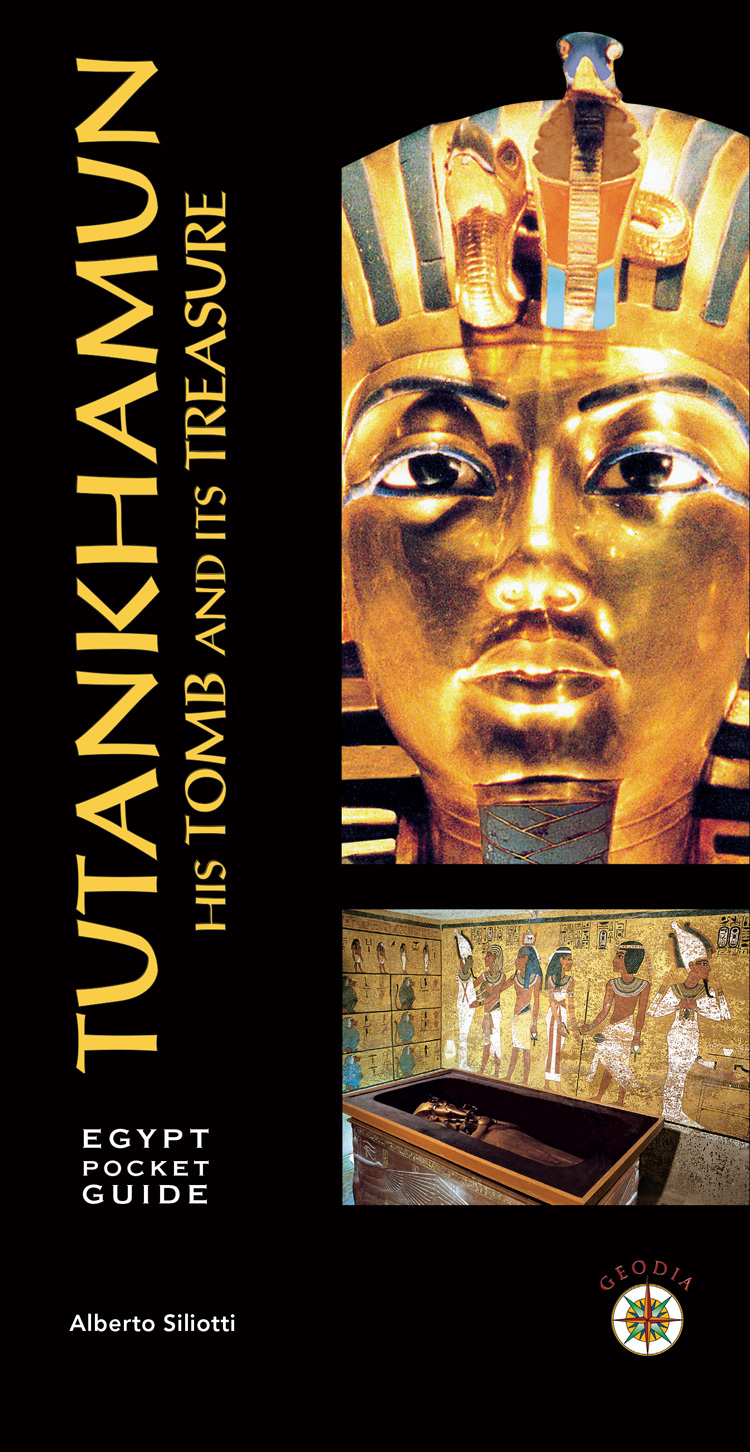
Tutankhamon – His Tomb and its Treasure
9,90 €
A new Guide to help you discover Tutankhamun, his tomb and its treasure in 48 pages with more than 150 photographs, maps and drawings.
Available Languages:


Book Preview
Forgotten for over 3000 years, and despite having reigned for only a decade, Tutankhamun has become the most famous pharaoh in the history of ancient Egypt because of the fabulous treasure discovered in his tomb thanks to the intuition and perseverance of the archaeologist Howard Carter and the generous support of his patron, Lord Carnarvon.
His tomb, the smallest in the Valley of the Kings, yielded over 4000 artifacts – splendid jewelry, amulets, chests filled with precious objects, thrones, ritual beds, elegant alabaster vases, and his world-famous death mask made of solid gold. But the figure of this young king, who died at the age of 17 or 18 of causes that are still unknown, is still wrapped in mystery, and his tomb may still be hiding another secret.
Related Products


- The Fayoum
- Fauna
- Flora
- The History of the Fayoum
Available Languages:

Book Preview

- West Thebes
- The Mortuary Ritual
- The Valley of the Kings
- The Valley of the Queens
Available Languages:


Book Preview


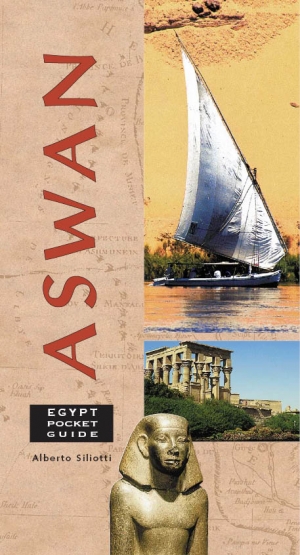
In the second half of the 19th century, Egypt
became the main destination for European
tourists in search of adventure, exoticism and the
mystery of its origins, following in the footsteps
of great writers such as Flaubert, Gérard de
Nerval, Pierre Loti and Agatha Christie. The
first cruises on the Nile were organized using
large sailing boats called dahabeya. A famous
French writer said, “Going up the Nile! These
two words meant the most ideal journey a man
can undertake.” It was the English entrepreneur
Thomas Cook who, around 1880, introduced
the use of the first steamboats to go up the Nile
and be able to visit the monuments of Pharaonic
Egypt more quickly. Even today, sailing on
the great river that crosses the country like a
major road remains the best way to visit the
extraordinary archaeological sites of Egypt.
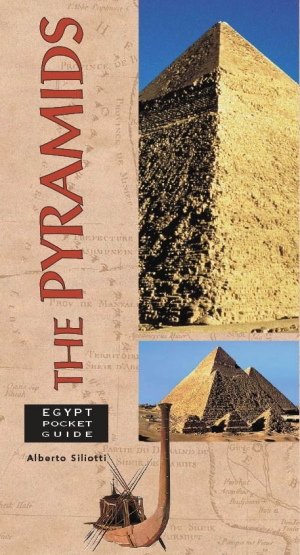
- The History
- The Building Technique
- Giza: the Pyramids of Khufu, Khafre, Menkaure, the Great Sphinx, the Royal Bark, the Private Tombs
Available Languages:
Book Preview

- The Origins and History of Cairo
- Islamic Architecture in Cairo
- Mosques and Madrasas
- Sabil
Available Languages:
Book Preview

- The Geography and History of the Fayoum
- Visiting Medinet Madi
- The Visitor Center and the Eco-Lodge
- The Nine Lives of Medinet Madi
Available Languages:
Book Preview
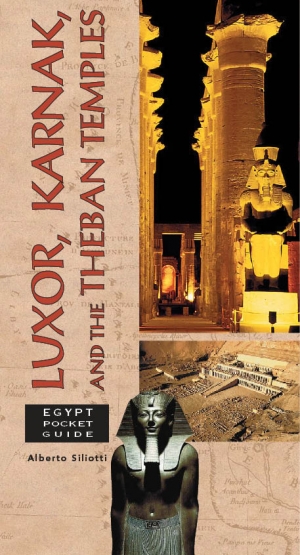
- The Temples of Luxor and Karnak
- The Open-Air Museum
- The Colossi of Memnon
- Medinet Habu
- The Ramesseum
- Deir al-Bahari
- The Temple of Sethos I
- The Luxor Museum
- The Mummification Museum
- The Temple of Dendera
Available Languages:
Book Preview
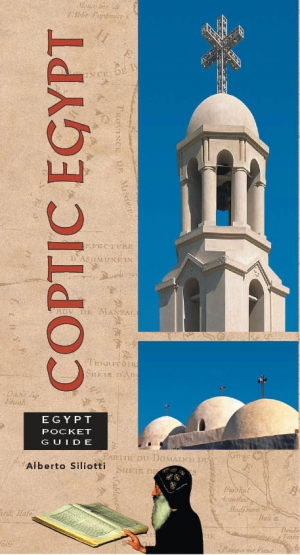
- The Copts
- The Itinerary of the Holy Family
- Monks and Hermits
- Coptic Cairo: Al-Fustat, The Synagogue of Ben Ezra, The Church of al- Mu‘allaqa, The Coptic Museum
Available Languages: