



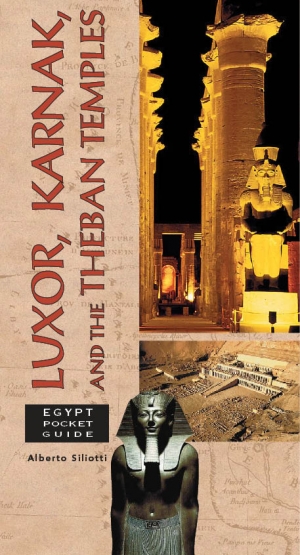
LUXOR, KARNAK AND THE THEBAN TEMPLES
10,00 €
- The Temples of Luxor and Karnak
- The Open-Air Museum
- The Colossi of Memnon
- Medinet Habu
- The Ramesseum
- Deir al-Bahari
- The Temple of Sethos I
- The Luxor Museum
- The Mummification Museum
- The Temple of Dendera
Available Languages:


Book Preview
... people are viewing this right now
Related Products

MEDINET MADI ARCHAEOLOGICAL GUIDE
10,00 €
Select options
- The Geography and History of the Fayoum
- Visiting Medinet Madi
- The Visitor Center and the Eco-Lodge
- The Nine Lives of Medinet Madi
Available Languages:

Book Preview
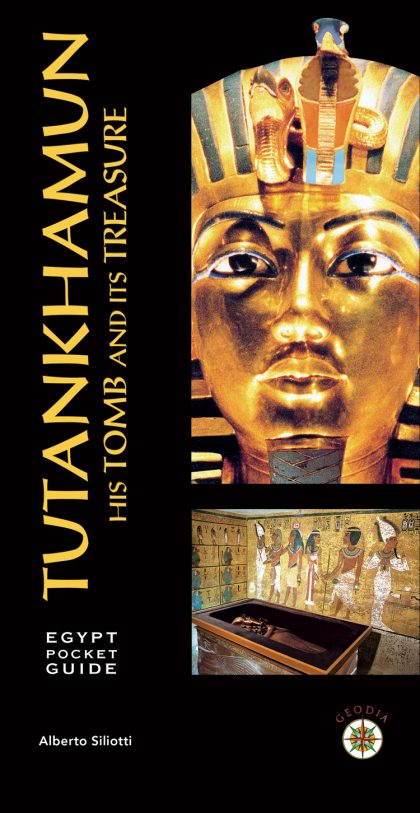
Tutankhamon – His Tomb and its Treasure
9,90 €
Add to cart
A new Guide to help you discover Tutankhamun, his tomb and its treasure in 48 pages with more than 150 photographs, maps and drawings.
Available Languages:
Book Preview

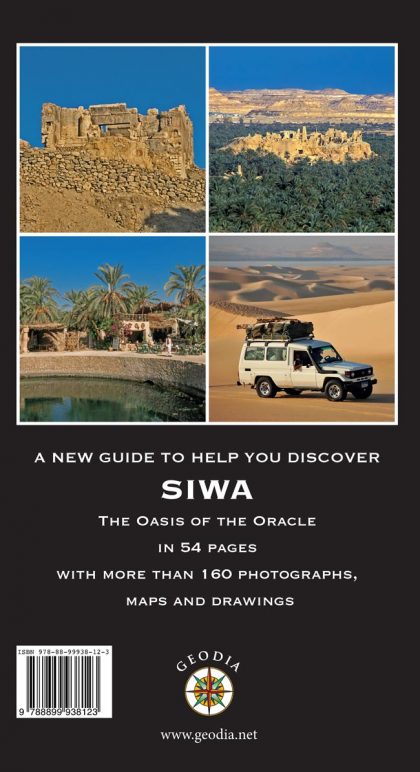
Siwa – The Oasis of the Oracle
10,00 €
Add to cart
By Alberto Siliotti
A new Guide to help you discover Siwa, The Oasis of the Oracle
54 pages with more than 160 photographs, maps, and drawings.
Available Languages:
Book Preview:


ABU SIMBEL AND THE NUBIAN TEMPLES
10,00 €
Select options
- Lake Nasser
- The History of Nubia
- The UNESCO Rescue Campaign
- The Sites: New Kalabsha, New Sebua, New Amada, Qasr Ibrim, Abu Simbel.
Available Languages:
Book Preview:
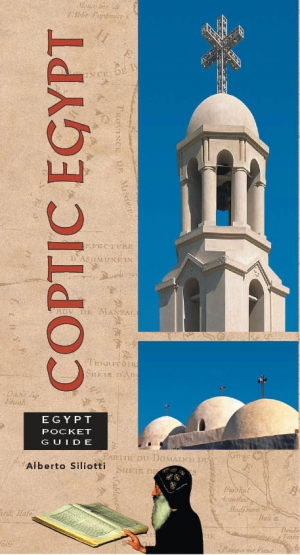
COPTIC EGYPT
10,00 €
Select options
- The Copts
- The Itinerary of the Holy Family
- Monks and Hermits
- Coptic Cairo: Al-Fustat, The Synagogue of Ben Ezra, The Church of al- Mu‘allaqa, The Coptic Museum
Available Languages:
Book Preview

THE FAYOUM AND WADI EL-RAYAN
10,00 €
Select options
- The Fayoum
- Fauna
- Flora
- The History of the Fayoum
Available Languages:
Book Preview
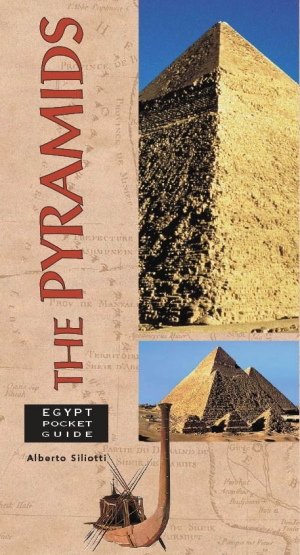
THE PYRAMIDS
10,00 €
Select options
- The History
- The Building Technique
- Giza: the Pyramids of Khufu, Khafre, Menkaure, the Great Sphinx, the Royal Bark, the Private Tombs
Available Languages:
Book Preview

GILF KEBIR NATIONAL PARK
10,00 €
Select options
by Alberto Siliotti
- The Geology
- The Fauna
- The Flora
- The Climate
Available Languages:
Book Preview
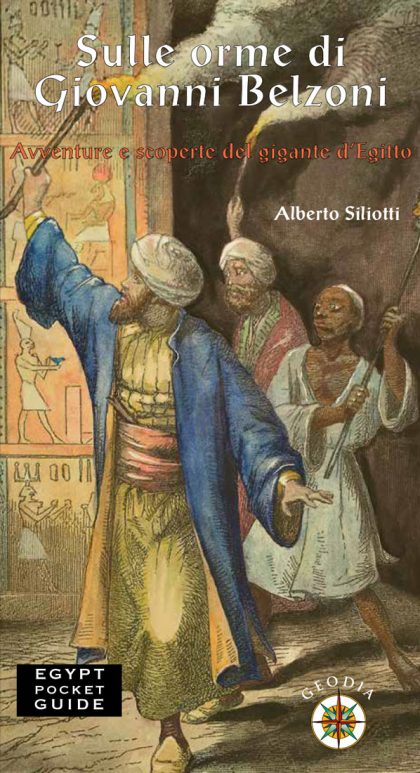
Sulle Orme di Giovanni Belzoni
10,00 €
Add to cart
by Alberto Siliotti
Adventures and discoveries of the giant of Egypt
Available Languages: